
AI Letter Writing: Best Practices and Essential URL Tools
AI-assisted letter writing has emerged as a crucial productivity tool, changing how professionals and individuals communicate in the digital age. But leveraging AI effectively requires more than just generating text—you need a clear workflow, ethical considerations, and, increasingly, practical URL conversion utilities.

Table of Contents
- Why AI Letter Writing Matters
- How to Use AI Writing Assistants Effectively
- Crafting the Perfect AI Prompt
- Reviewing and Personalizing AI Drafts
- Essential Tools for Web Content Conversion
- FAQ
- Conclusion
Why AI Letter Writing Matters
AI letter writing isn't about letting a machine do all the work. It's a collaborative process where AI helps break creative blocks, organize thoughts, and explore new directions. Whether you're drafting a cover letter, a newsletter, or a personal note, AI can deliver a starting point for clearer, more efficient writing.
Beyond the First Draft
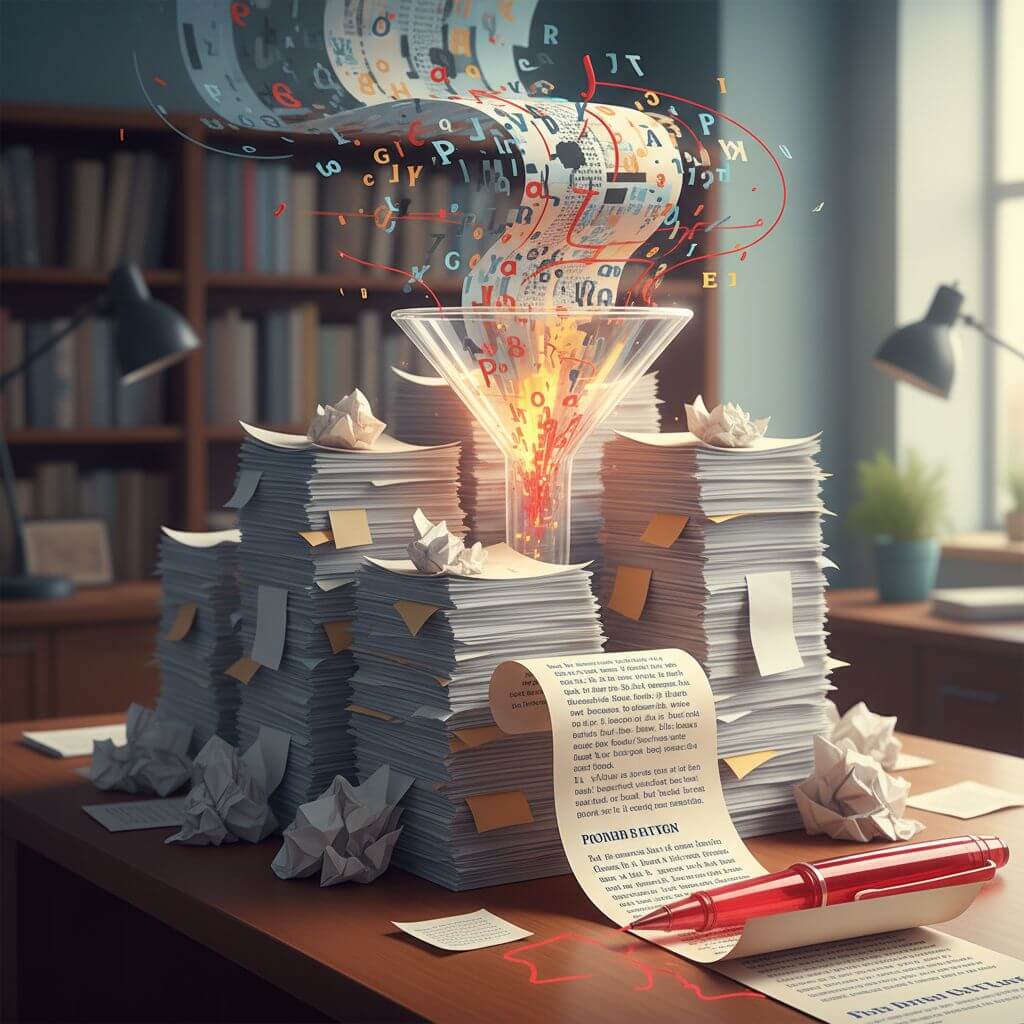
While AI can generate a letter instantly, the real value lies in the ability to quickly ideate, outline, and refine. First drafts from AI typically sound mechanical, so revision and personalization are key steps before sending any correspondence. This process parallels how professional writers treat first drafts: as a springboard for improvement rather than a finished product.
How to Use AI Writing Assistants Effectively
Choosing the right AI assistant depends on your needs. Some platforms, like Grammarly Pro, learn your communication style for more natural output; others focus on structure, speed, or cost-effective access. Free AI letter generators can be helpful, but always vet the content for accuracy and fit.
Balancing Automation and Authenticity
Maintain control over your message. Never blindly copy an AI draft—ethical writing demands that you reword, restructure, and add original input. For professional letters, this is especially important to preserve clarity and avoid sounding robotic.
Crafting the Perfect AI Prompt
The quality of your AI-generated letter depends heavily on the instructions you provide. A detailed prompt should specify:
- Recipient and context (e.g., hiring manager, friend)
- Purpose and tone (formal, friendly, urgent)
- Essential details (job history, specific events, etc.)
The more context you provide, the richer and more relevant the output.
Example Prompt
"Write a formal job application letter for the Sales Manager position at XYZ Corp, referencing my three years at ABC Inc in B2B sales, and expressing enthusiasm for data-driven marketing. Keep the tone courteous but confident."
Reviewing and Personalizing AI Drafts
Never send an AI-generated letter without review. Even advanced tools can produce factual errors, awkward phrasing, or inconsistencies. Your revision checklist should include:
- Correcting mistakes
- Injecting personal anecdotes or phrasing
- Ensuring logical flow
- Aligning with recipient expectations
Essential Tools for Web Content Conversion
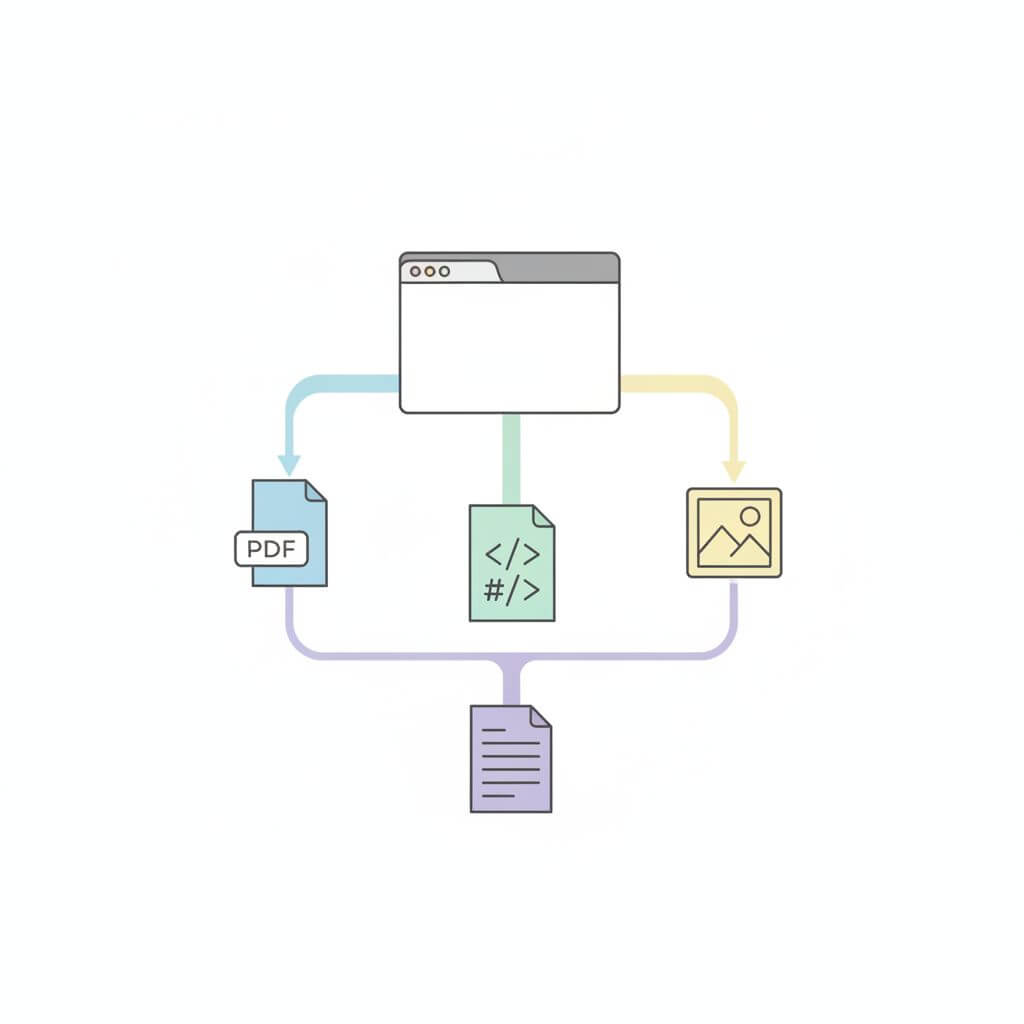
The rise of remote work and online communication often means referencing web pages in correspondence. Converting URLs to clean text, Markdown, PDF, or images is increasingly useful for documentation and sharing. A variety of tools exist:
- URL to Markdown/HTML converters for technical documentation
- URL to PDF tools for archiving web references
- URL extractors for gathering resources during research
- AI summarizers for condensing articles instantly
Among the many options, platforms like URL to Any provide a unified interface where you can convert webpages to multiple formats (Markdown, PDF, Text, JSON, etc.) and quickly integrate structured references into your letters and reports. This can streamline how you prepare supporting documents for professional or academic writing, especially when you need distraction-free content.
FAQ
Q: Is it ethical to use AI for letter writing? A: Only if you substantially revise the output and add personal content. Passing AI writing off as your own without modification is plagiarism.
Q: How do I personalize AI-generated text? A: Specify style in your prompt, then revise the draft by adding unique phrases, experiences, and correcting tone or logical flow.
Q: What limits does AI writing technology face? A: AI drafts can sound mechanical, include errors, and lack deep personalization. Use AI for ideation and structure, and always refine to match your authentic voice.
Conclusion
AI letter writing is a powerful way to overcome communication challenges and accelerate productivity, but it demands active engagement and ethical practice. By combining smart prompt crafting, rigorous review, and multi-format web conversion tools, you can create correspondence that is both efficient and uniquely yours.
If you often need to process, share, or reference webpage content in letters, exploring multi-format URL converters (such as URL to Any) can be a practical addition to your writing toolkit.